

Effective Supervision: Part 1
Effective supervision contributes directly to mission effectiveness at your nonprofit. It is critical to maintaining a productive staff in the face of shifting and competing priorities. Strong supervision creates a […]
We partner with organizations to provide the services, programs, and resources they need.
We strive to increase the affordability of our services to the organizations who need us the most, increase service to nonprofits that work with historically marginalized communities, and ensure that the organizations we support are committed to social justice.
We offer a personalized approach to executive search and transition with the resources and capacity of a larger institution. We’re dedicated to diversity, equity, and inclusion, not only in values, but in practice.
Learn about our yearly progress as an organization and access our financial information.
Committed to building a more equitable society, we share research and voices from across the nonprofit sector to drive best practices and meaningful change.
View salary data by organization budget, employee population, location, or field of service. Salary information represents reporting on nearly 35,000 individual salaries.
Our future workshops, trainings, and events.
We are a capacity building organization that partners with nonprofit organizations to provide the services, programs, and resources they need to support their communities and ultimately, create a more equitable society.
Come work with us. Our office is located in the NonProfit Center at 89 South Street in downtown Boston. We value our nonprofit workforce by providing a comprehensive benefits package.
As a fiscal sponsor, we are the employer of record for more than 50 organizations across the country. Find opportunities across the country.
Find our office address, phone number, fax, social media, directions, and parking.
Effective supervision contributes directly to mission effectiveness at your nonprofit. It is critical to maintaining a productive staff in the face of shifting and competing priorities. Strong supervision creates a […]
Great leaders move us. They move us through a basic human process: our emotions. Although they talk of strategy and competition, the great leaders establish a deep emotional connection with […]
There is growing interest and urgent need for reimaging governance and innovative approaches and models which are more responsive and accountable to the communities they serve, while addressing racial equity […]
Participants must have taken Effective Supervision Part 1 as a prerequisite for this training. Successful supervisors start with curiosity and awareness of their own supervisory and communication style, as well […]
The Financial Management, Part I training for Nonprofits is designed to equip nonprofit leaders, managers, and board members with foundational information to effectively manage their organization's finances. This training provides an overview of financial concepts, tools, and best practices tailored specifically for the nonprofit sector.
Financial Management, Part 2 builds upon the foundational knowledge acquired in Financial Management, Part 1 and is designed to further the knowledge of nonprofit leaders, managers, and board members to effectively manage their organization's finances.
Embark on a journey to master the fundamentals of budget management with our Budget Management Fundamentals training, tailored specifically for nonprofit professionals. This training offers a comprehensive exploration of budget development, implementation, and oversight crucial for financial sustainability and organizational success.
Skilled, intentional, and strategic supervision is integral to organizational success and employee satisfaction. Effective supervisors, whether new to the role or coming with a wealth of experience, tap into self-awareness, are adaptive, and leverage a range of interpersonal skills. Using these practices, a supervisor creates a culture of mutual respect — one in which employees and supervisors communicate regularly and clearly about job-related expectations, tasks, and overall performance.
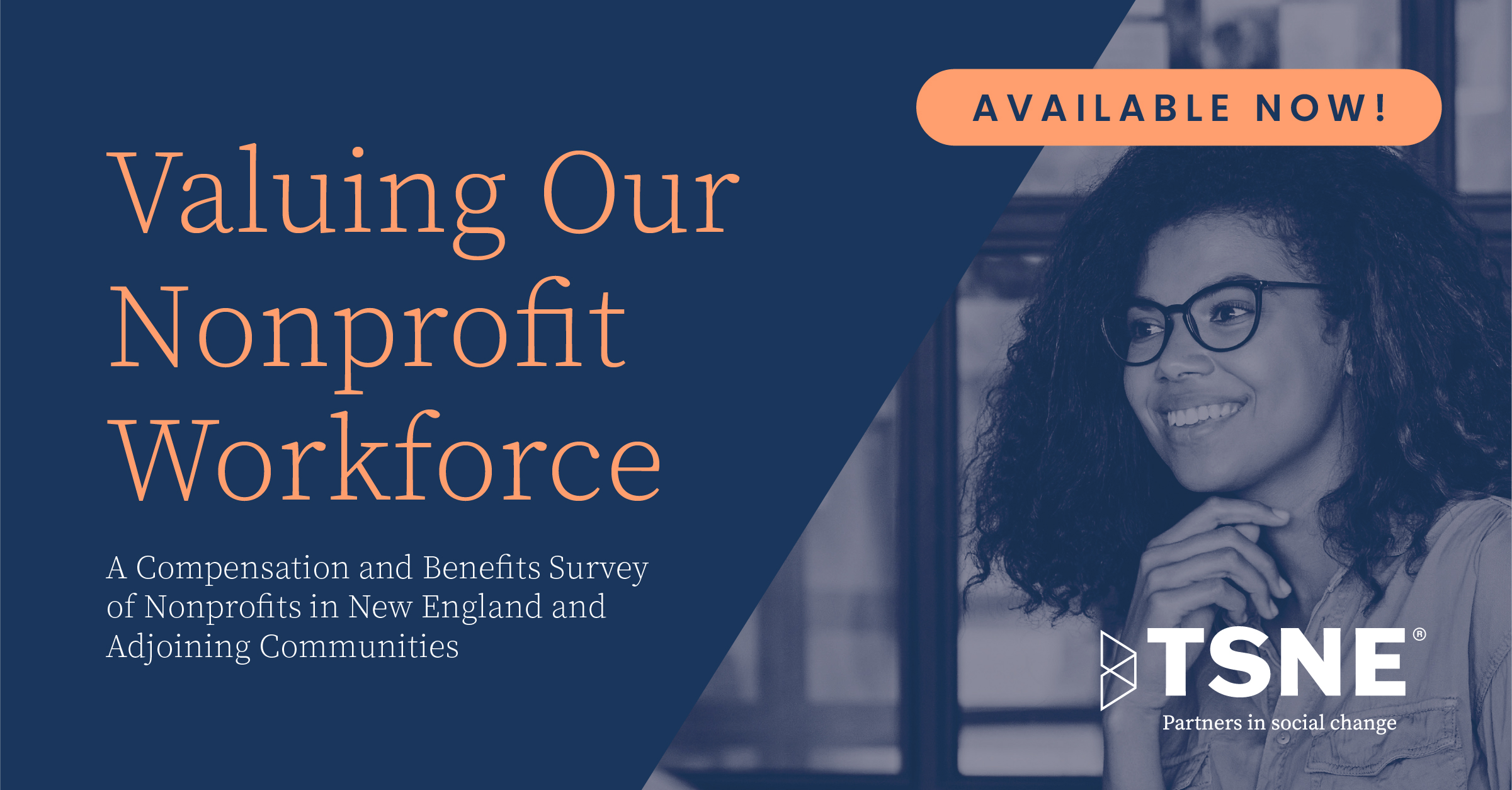
Join us for an engaging forum focused on wage equity in the nonprofit sector, anchored by Third Sector New England, Inc. (TSNE)’s latest compensation report: Valuing Our Nonprofit Workforce. This […]
Communication is the key to most successful relationships; the supervisor-staff relationship is no exception. Honing communication skills is a straightforward way of building more effective supervisory relationships.
Effective supervisors, whether new to the role or coming with an abundance of experience, tap into self-awareness, are adaptive, and leverage a range of interpersonal skills. Using these practices, a supervisor creates a culture of mutual respect — one in which employees and supervisors communicate regularly and clearly about job-related expectations, tasks, and overall performance.
Effective supervision contributes directly to mission effectiveness at your nonprofit. It is critical to maintaining a productive staff in the face of shifting and competing priorities. Strong supervision creates a culture of mutual respect in which employees and supervisors communicate regularly and clearly about job-related expectations, tasks, and overall performance. This highly participatory training is designed for supervisors with all levels of experience.
Nonprofit organizations are being challenged more than ever by impatient donors and community stakeholders to achieve greater impact on the significant issues and problems evident throughout our neighborhoods and communities. Strategic planning is a systematic approach that engages the leadership and critical partners to develop a plan for the future that outlines specific strategies, tactics, and measurable outcomes. If nonprofit organizations are to survive and thrive, they need to think and act strategically.